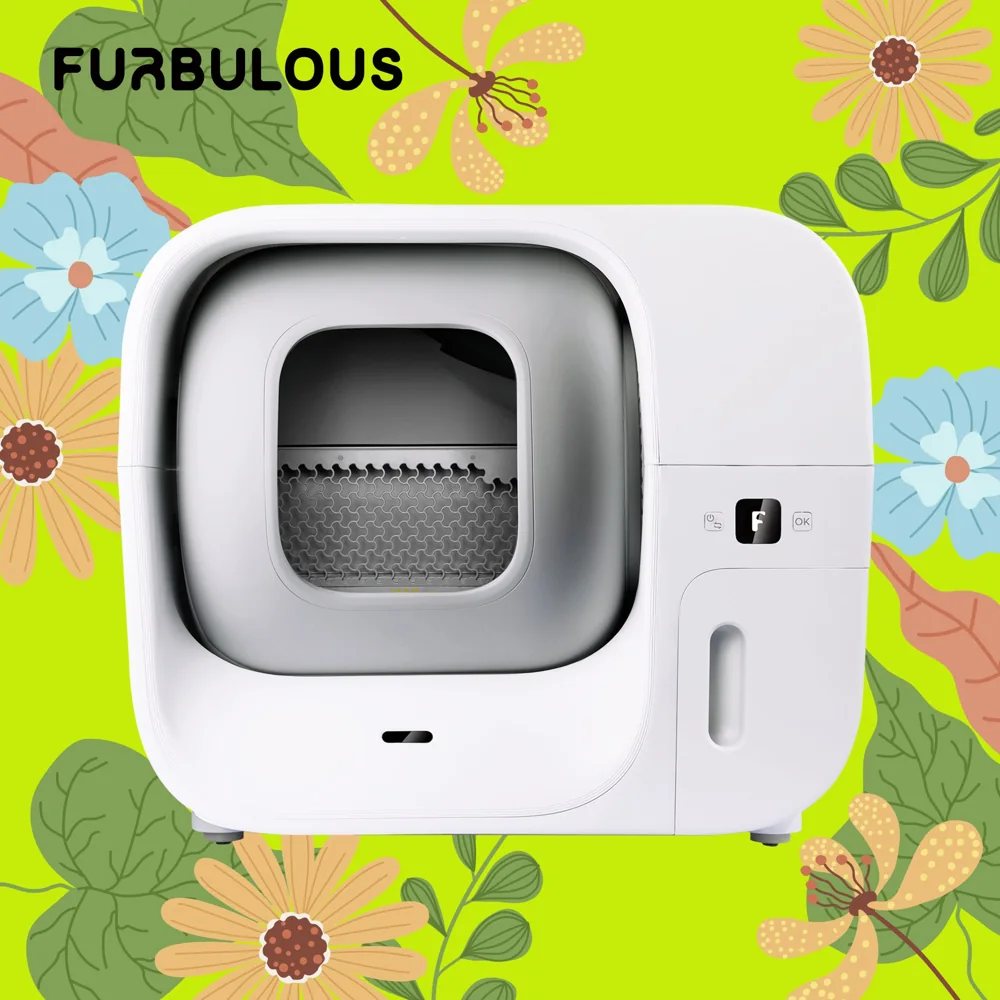
Measure the usable space
External dimensions describe where an appliance fits, not the space available to the cat. Look for interior measurements, opening size and the shape of the usable litter bed. Consider whether your cat can enter, turn and adopt its normal posture without crowding. Photos can hide a narrow interior, so compare a dimensioned drawing with the box your cat currently uses comfortably.
Look at the entry route
A high step or small opening may be awkward for a cat with limited mobility. Check the approach, the stability of any approved ramp and room to turn away from the doorway. Weight and age limits must come from the exact current manual; a capacity statement about waste storage is not an animal-fit limit. Ask your veterinarian about mobility concerns that affect toileting.
Leave servicing space too
Measure clearance for lifting covers, opening drawers and carrying used litter without blocking the cat’s access route. Place the unit on the surface required by the manufacturer because an unstable or unsuitable floor can affect some sensors. Avoid trapping the entrance in a busy passage or between appliances. Keep toileting resources separate from feeding and resting areas as your home allows.
Keep alternatives available
An automatic box does not make every other litter location unnecessary. In a multi-cat home, access and social relationships still matter. Retain a familiar clean box while assessing whether each cat uses the new one freely. Watch behavior and litter habits directly rather than interpreting an app visit count as complete evidence of comfort. Concerning changes in urination or defecation need veterinary attention.
Research scope
This is editorial research from published sources, not a hands-on test. Manufacturer claims and general guidance do not guarantee results for every cat. Check the current manual for your exact model and region.
Sources and further reading
- AAFP / ISFM — Publication and operating guidance
- Whisker / Litter-Robot — Publication and operating guidance
Let's talk about it
Community comments are personal experiences. Purchase and product use have not been verified.
Comments empty
Sign in to join the conversation.
Sign in